Speciális szegecsek
Termékek
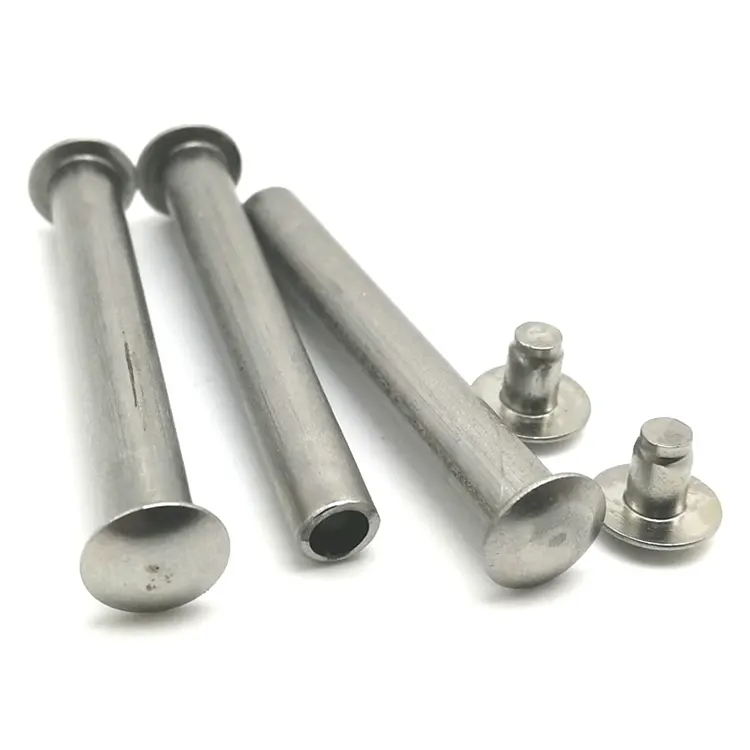
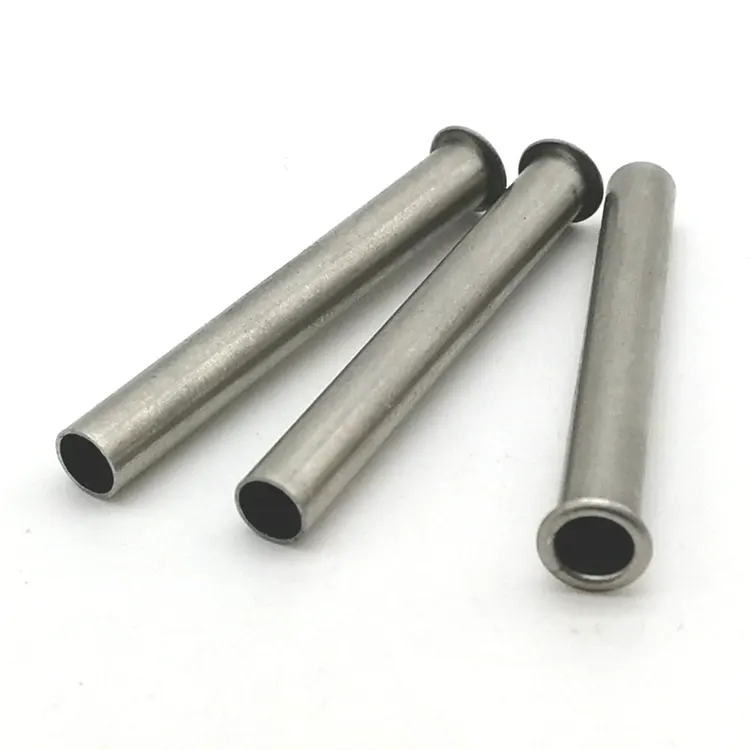
- View as
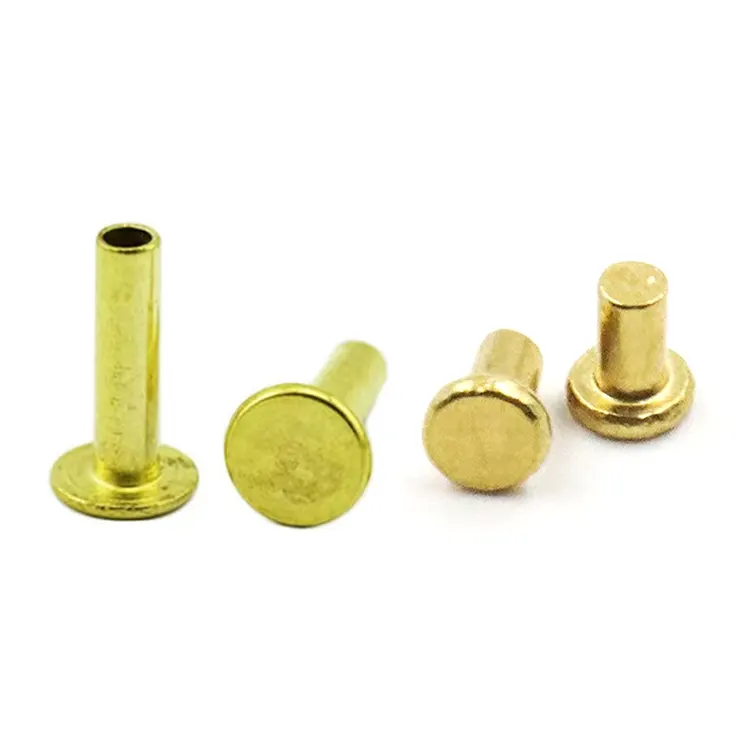
Sárgaréz szegecsek
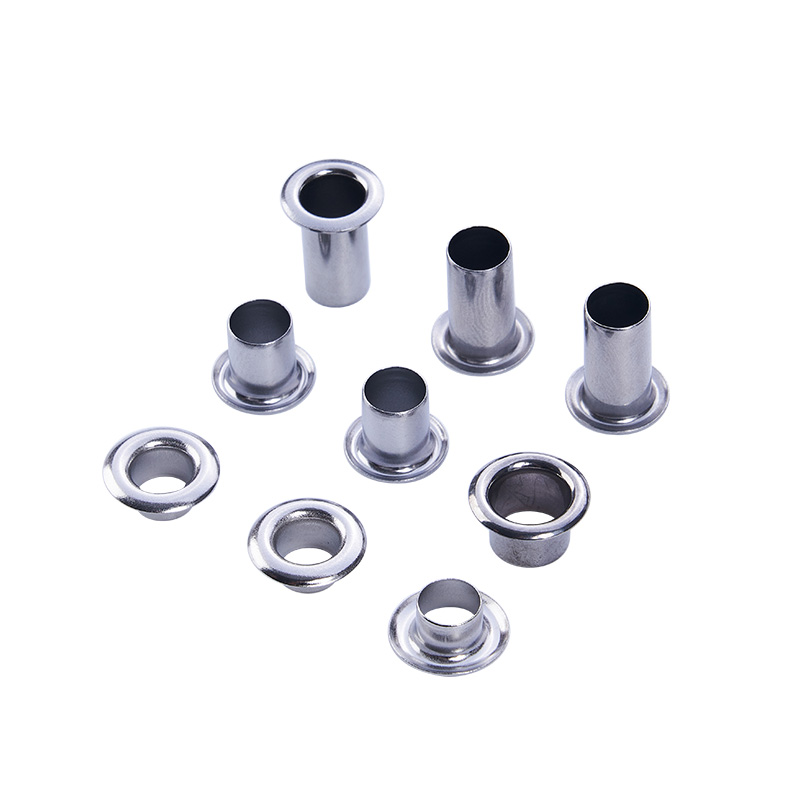
A Nuote Metals háromféle kivitelben gyárt sárgaréz szegecseket – tömör, félcsöves és teljes cső alakú –, a sárgaréz klasszikus előnyeit a gyártósor megbízható teljesítménnyel kombinálva. Available in 1.5–8.0mm shank diameters, with lacquered, nickel‑plated, or antique finishes. ISO 9001:2015 minősítéssel. Ingyenes minták állnak rendelkezésre. Árajánlatért forduljon hozzánk.
Olvass továbbKérdés küldése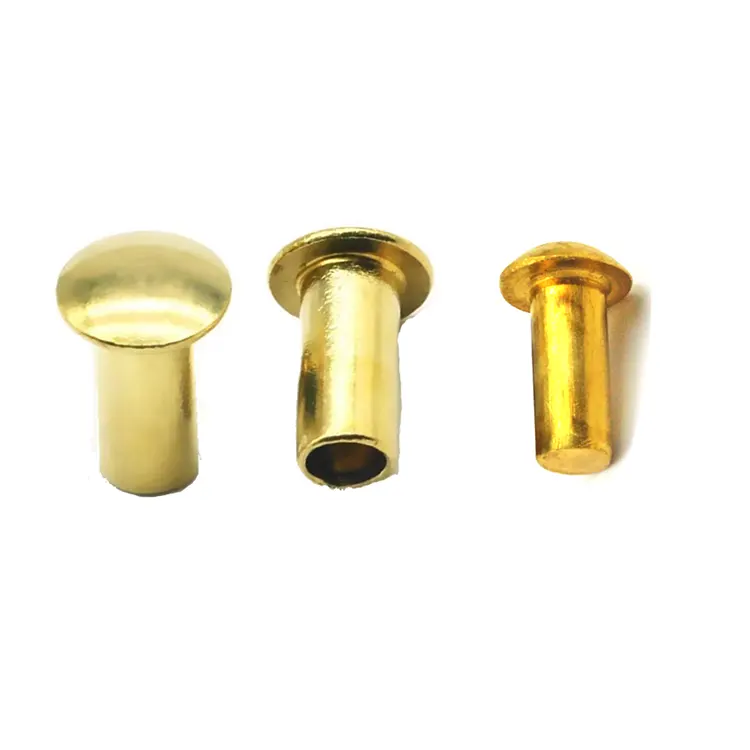
Sárgaréz serpenyőfejes szegecsek
A Nuote Metals sárgaréz fejszegecsek gyártására specializálódott. Szegecseink H65 sárgarézből készülnek, amely magas sárgaréz tartalmú, puha és könnyen formálható, és kevésbé repedik a szegecselési folyamat során. A sárgaréz serpenyős szegecsek egy fejből és egy szárból állnak, a szár körülbelül a felében üreges. A szerelés során a szegecs egy előre fúrt lyukba kerül. Speciális szegecselőgép és lyukasztó segítségével a szár vége kitágul, és a másik oldalon a fejet képezi, így egy szorítócsatlakozást hoz létre. Ez a folyamat a fém képlékeny deformációján alapul, így nincs szükség hegesztésre vagy ragasztókra, így egyszerű és hatékony.
Olvass továbbKérdés küldése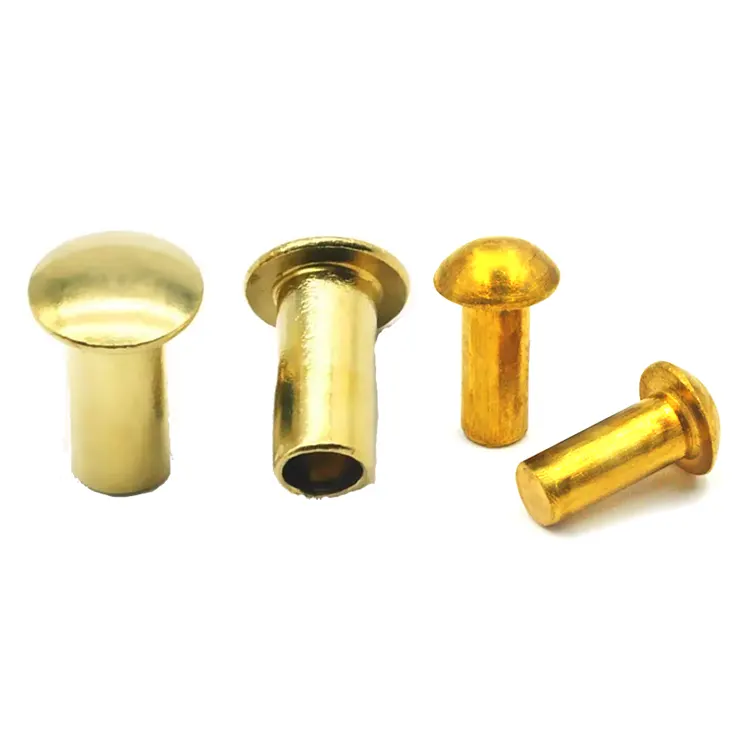
Sárgaréz gombafejű szegecsek
A sárgaréz gombafej szegecsek egy fejből és egy testből állnak. A fej kerek és enyhén lapított, gomba sapkára emlékeztet. A test félig üreges, vagyis van egy lyuk a közepén, de nem megy át teljesen. Ezeket sárgaréz félüreges gombafejű szegecseknek nevezik. Néhány szegecsnek szilárd teste van, ezeket sárgaréz tömör gombafejű szegecseknek nevezik. A beszerelés során egy speciális szerszámot használnak a test behelyezésére az előre fúrt lyukba. Nyomás hatására a test deformálódik, ami kitágul és megragadja az anyagot, biztonságos kapcsolatot hozva létre. A Nuote Metals ezeknek a sárgaréz gombafejű szegecseknek a gyártására specializálódott.
Olvass továbbKérdés küldése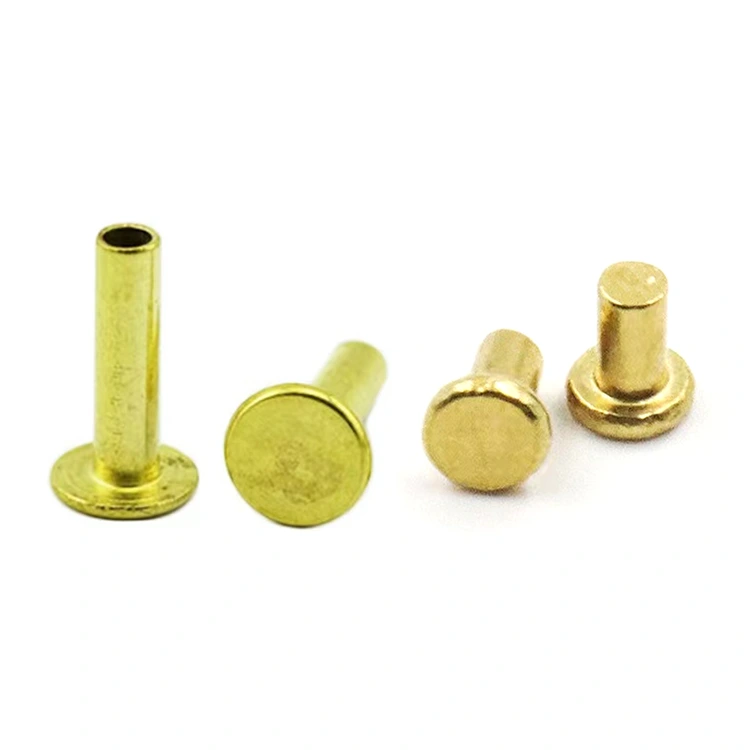
Sárgaréz laposfejű szegecsek
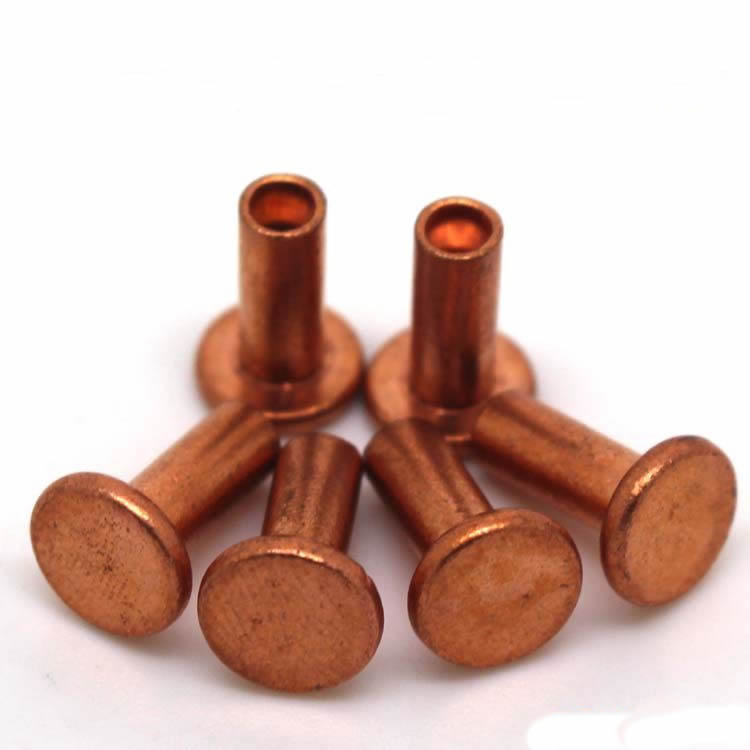
A sárgaréz laposfejű szegecsek fémrudak, egyik végén kupakkal. A szegecselést deformáció vagy interferenciás illeszkedés révén érik el, és gyakori rögzítőelemek. A lapos fej kialakítása csökkenti a felületi kiemelkedéseket, így alkalmas a nagy síkságot igénylő alkalmazásokhoz. A sárgaréz korrózióállósága nedves és korrozív környezetben is biztosítja a csatlakozás stabilitását. A Nuote Metals sárgaréz laposfejű szegecsek gyártására specializálódott. Több ezer öntőformánk van, és különféle szegecsspecifikációkat tudunk előállítani. Egyedi terveket és mintákat is támogatunk.
Olvass továbbKérdés küldése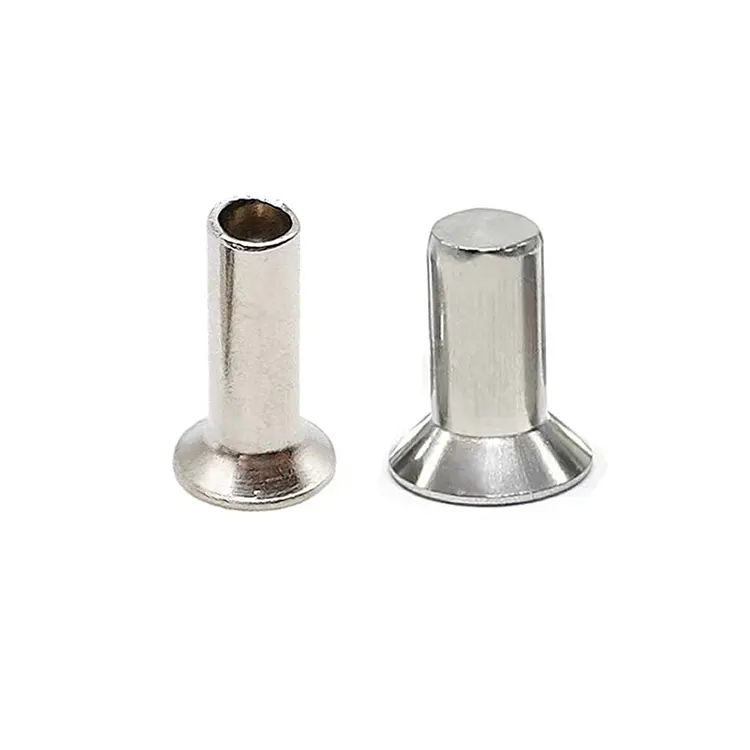
Sárgaréz süllyesztett fejű szegecsek
A süllyesztett fejű sárgaréz szegecsek elsősorban egy fejből és egy szárból állnak. A süllyesztett fej lehetővé teszi a munkadarab felületével egy síkban történő felszerelést, így kiküszöbölhető a kiemelkedések, amelyek befolyásolhatják a megjelenést vagy a működést. A félig üreges szár a szegecselés során deformálódik, így kapcsolat jön létre. Ez a kialakítás nemcsak a telepítés hatékonyságát javítja, hanem a csatlakozás megbízhatóságát is. A Nuote Metals a sárgaréz süllyesztett fejű szegecsek gyártására specializálódott, amelyek nagy pontossággal és sima, karcmentes felülettel büszkélkedhetnek. Szeretettel várjuk barátainkat a világ minden tájáról, hogy meglátogassák cégünket és együttműködjenek velünk.
Olvass továbbKérdés küldése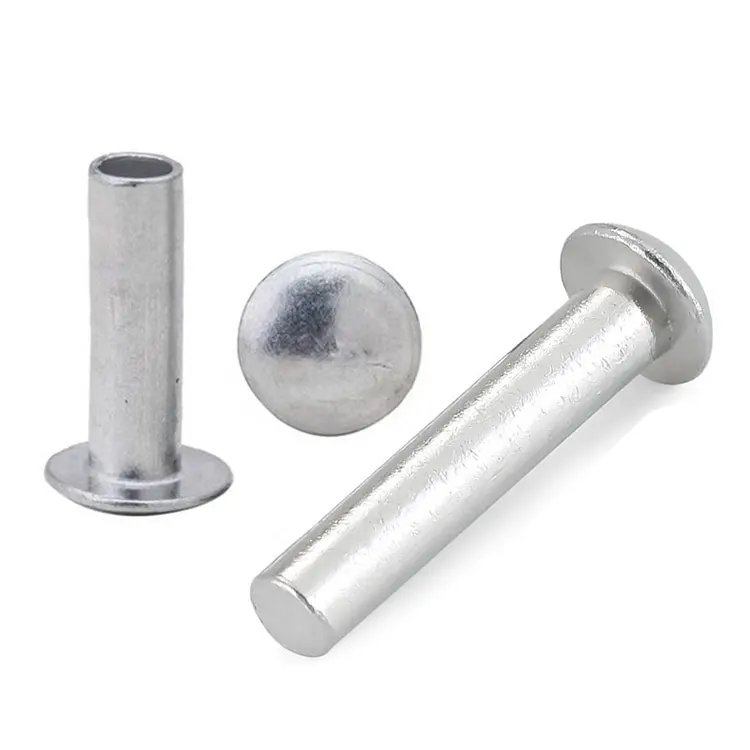
Alumínium kerek fejű szegecsek
Az alumínium kerek fejű szegecseket könnyű súlyuk, nagy szilárdságuk, korrózióállóságuk és kiváló csatlakozási tulajdonságaik miatt széles körben használják különféle területeken. A Nuote Metals egy kínai gyártó, amely alumínium kerek fejű szegecsek gyártására specializálódott. Szegecseinket világszerte exportálják, és szívesen látjuk ügyfeleink érdeklődését.
Olvass továbbKérdés küldéseSpeciális szegecsek gyártási folyamata
A speciális szegecsek gyártása több láncszemet foglal magában, amelyek főként a következőket foglalják magukban:
1.Anyagválasztás:A felhasználási környezetnek megfelelően válassza ki a megfelelő fém- vagy ötvözetanyagokat.
2.Hideg irány vagy meleg irány:Nyomásos megmunkálással alakítsa ki a szegecs alapformáját a fémdarabba.
3.Esztergálás vagy marás:A méretpontosság biztosítása érdekében finomítsa meg a részleteket, például a szegecs fejét és szárát.
4.Felületkezelés:Ilyen például a horganyzás, nikkelezés, eloxálás stb. a korrózióállóság vagy az esztétika javítása érdekében.
A speciális szegecsek előnyei és korlátai
(1) Előnyök: Megfelelnek a speciális igényeknek, javítják az összeszerelés hatékonyságát és a csatlakozás megbízhatóságát, és alkalmasak összetett vagy nagy igényű alkalmazási forgatókönyvekre.
(2) Korlátozások: Mivel testreszabott termékekről van szó, a gyártási költségek magasak, a szállítási ciklus viszonylag hosszú, és az ügyfeleknek részletes műszaki paramétereket kell megadniuk.
Hogyan válasszunk megfelelő speciális szegecseket?
(1)Tisztázza az igényeket:Határozza meg a kulcsfontosságú paramétereket, például a szegecs működési környezetét, feszültségi feltételeit és korrózióállósági követelményeket.
(2)Anyagegyeztetés:Válassza ki a megfelelő anyagot a tényleges igények alapján, hogy elkerülje a túlzott tervezést, amely megnövekedett költségekhez vezet.
(3)Kommunikáció a beszállítókkal:Adjon meg részletes műszaki rajzokat vagy mintákat annak biztosítására, hogy a speciális szegecsek megfeleljenek az elvárásoknak.
Melyek a speciális szegecsek fő alkalmazásai?
(1)Repülőgép: Repülőgépek, rakéták és egyéb berendezések rendkívül magas követelményeket támasztanak a kötőelemek súlyával, szilárdságával és magas hőmérsékleti ellenállásával szemben. A speciális szegecsek egyedi igények szerint optimalizálhatók.
(2)Gépjárműgyártás:Bizonyos speciális modellekhez vagy nagy teljesítményű járművekhez speciális szegecsekre lehet szükség, hogy megfeleljenek a könnyű vagy nagy szilárdságú csatlakozások igényeinek.
(3)Elektronikus berendezések:A precíziós műszerek vagy kisméretű elektronikus berendezések mikro-Speciális szegecseket igényelhetnek a csatlakozás stabilitásának és tömörségének biztosítása érdekében.
(4)Építőipar:Egyes speciális szerkezetű épületek vagy dekorációs projektek speciális szegecseket használhatnak, hogy megfeleljenek a speciális telepítési követelményeknek.
A speciális szegecsek piaci helyzete
Az ipari technológia fejlődésével egyre több iparág kezdett speciális szegecseket használni a terméktervezés optimalizálására. Jelenleg a speciális szegecsgyártók elsősorban a Jangce-folyó-delta és a Pearl-folyó-delta régiókban koncentrálódnak Kínában, és számos testreszabott szolgáltatásokat tudnak nyújtani. A Speciális szegecsek magas egységára miatt piaci mérete viszonylag kicsi, de a csúcsgyártás területén tovább nő a kereslet.
A jövőbeni fejlesztési irányok
(1)Könnyű kivitel: Az energiatakarékossági és környezetvédelmi követelmények javulásával egyre népszerűbbek lesznek a könnyű anyagokból készült speciális szegecsek.
(2)Intelligens gyártás: Az automatizált berendezések és a digitális menedzsment tovább javítja a speciális szegecsek gyártási hatékonyságát és minőségi stabilitását.
(3)Szélesebb körű alkalmazás: Az olyan feltörekvő iparágak, mint az új energia és a robotika, előmozdíthatják a speciális szegecsek iránti kereslet növekedését.
Összefoglalva, a speciális szegecsek nagymértékben testreszabott rögzítőelemek, amelyek olyan speciális igényeket tudnak kielégíteni, amelyeket a szabványos szegecsek nem tudnak kielégíteni. Noha előállítási költsége viszonylag magas, pótolhatatlan szerepet játszik az olyan iparágakban, mint a repülőgépgyártás, az autóipar és az elektronika. A jövőben a gyártástechnológia fejlődésével a speciális szegecsek alkalmazási köre várhatóan tovább bővül.



X
Cookie-kat használunk, hogy jobb böngészési élményt kínáljunk, elemezzük a webhely forgalmát és személyre szabjuk a tartalmat. Az oldal használatával Ön elfogadja a cookie-k használatát.
Adatvédelmi szabályzat